
Losing a pet can be deeply painful. For many people, a pet is not “just an animal.” They are family. They are part of your daily routine, your home, your comfort, and your sense of safety. They may have been beside you through illness, loneliness, change, heartbreak, or some of the hardest seasons of your life.
So when they die, go missing, are rehomed, or you have to make the painful decision to say goodbye, the grief can feel huge. Your grief is real. It is okay to feel it fully. This kind of grief deserves the same aroha as any other loss.
Why pet loss can hurt so much
The bond with a pet is often simple, steady, and unconditional. They may have greeted you every morning, followed you from room to room, slept beside you, sat with you when you cried, or made your home feel less empty. When they are gone, the silence can feel very loud.
You might miss the sound of their paws, feeding times, walks, cuddles or play, their favourite spot in the house, the way they looked at you, the routine they gave your day, and the comfort of having them close.
Pet loss can also bring a kind of grief that other people do not always understand. Some people may say things like “you can get another one” or “it was only a pet.” Those words can be deeply hurtful. You do not need to minimise your grief to make other people comfortable.
Common feelings after losing a pet
There is no right way to grieve a pet. You may feel sadness, shock, guilt, anger, loneliness, regret, numbness, or relief if they were suffering. You may feel confusion about why it hurts so much. You may replay their final days or wonder if you made the right choice. This is especially common when euthanasia was involved.
Please be gentle with yourself. Making an end-of-life decision for a pet is one of the hardest acts of love a person can face. You did not choose to lose them. You were trying to reduce their suffering.
When you had to make the decision to say goodbye
One of the most painful parts of pet loss can be choosing euthanasia. Even when the decision is made with veterinary advice and deep love, it can leave you carrying questions like: Did I do it too soon? Did I wait too long? Did they know I loved them? Could I have done more?
These thoughts are common. They do not mean you failed your pet. They usually mean you loved them deeply and wanted to protect them from pain. A kind question to ask yourself is: “If my pet could understand the choice I made, would they know it came from love?” In most cases, the answer is yes.
Grieving when others do not understand
Pet grief can feel lonely because not everyone sees the depth of the bond. You might feel embarrassed about how much you are crying. You might feel like you need to hide your grief at work, around friends, or even within your own whānau. But love does not become small because the one you loved had paws, fur, feathers, scales, or a tail. The relationship mattered. Your grief matters too.
You are allowed to talk about them. You are allowed to miss them. You are allowed to keep loving them.
Ways to care for yourself after pet loss
You do not have to move on quickly. Start gently.
Let yourself grieve
Cry if you need to. Talk about them. Sit quietly. Look at photos when you are ready. Try not to judge your reaction. Grief often comes in waves — some days may feel manageable, other days may hit hard.
Keep a small routine
After losing a pet, your daily rhythm can feel broken. Try to keep simple routines around meals, sleep, fresh air, and connection. You do not need to do everything. Just do the next small thing.
Create a memory space
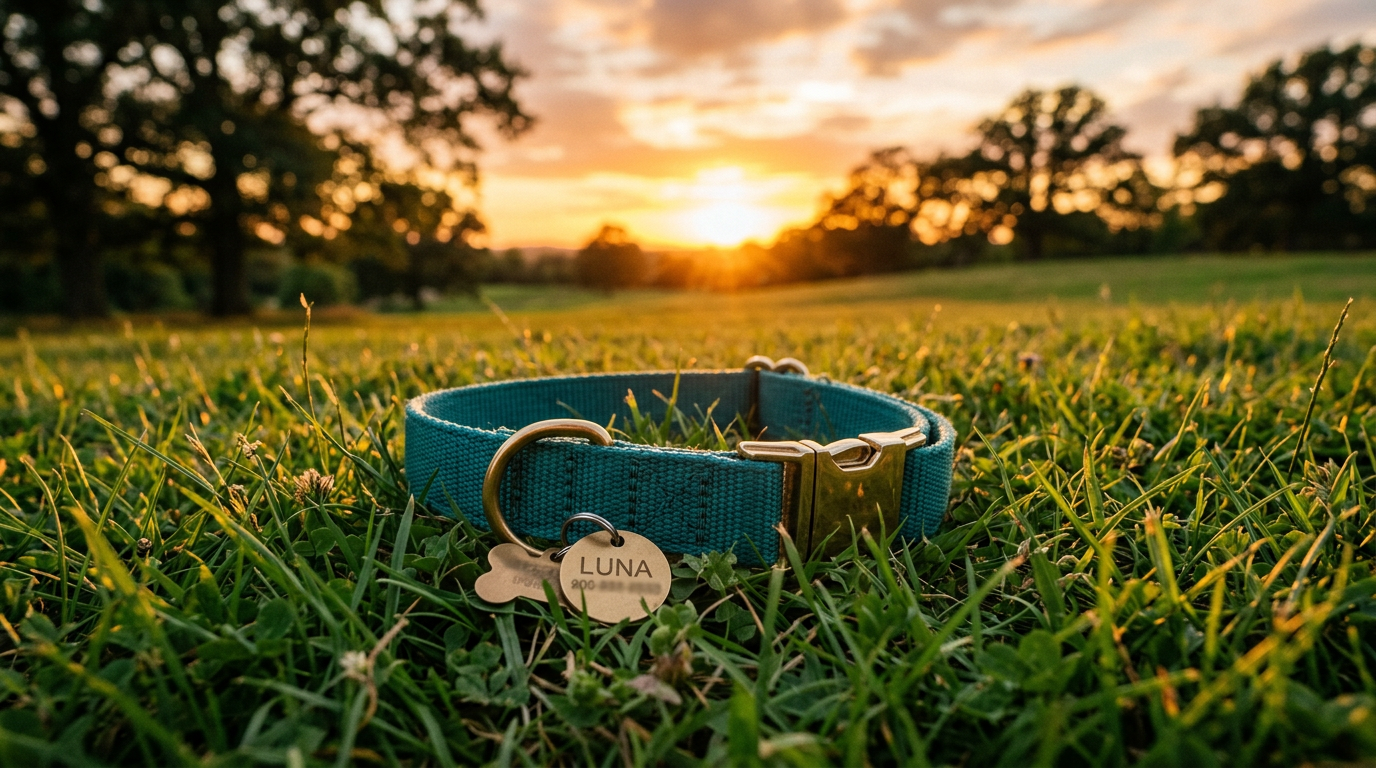
You might like to frame a photo, keep their collar, tag, blanket, or toy, plant a flower or tree, light a candle, make a small memory box, write them a letter, create a photo album, or donate in their memory. A memorial does not need to be public or expensive. It just needs to feel meaningful to you.
Talk to someone who gets it
Choose someone who will not dismiss your grief. This might be a friend, family member, counsellor, vet nurse, online pet loss group, or grief support service. You deserve to be heard kindly.
Be careful with big decisions
You may feel pressure to adopt another pet straight away, or you may feel like you never could again. There is no correct timeline. A new pet does not replace the one you lost. If you choose to welcome another animal later, that can be a new relationship — not a betrayal.
Supporting children through pet loss
For many children, losing a pet may be their first experience of death. Try to use clear, gentle words. Saying a pet “went to sleep” can confuse or scare children, especially around bedtime or medical care. You might say: “Their body stopped working, and they died. We are very sad because we loved them.”
Let children ask questions — they may ask the same thing more than once. Helpful things for children include drawing a picture, writing a goodbye letter, choosing a photo, making a memory box, talking about favourite memories, and being included in a small goodbye ritual. Children may move in and out of grief quickly, crying one moment and playing the next. This does not mean they do not care — it is often how children process big feelings.
When pet loss feels overwhelming
Pet loss can affect sleep, appetite, mood, concentration, and daily functioning. It may be time to reach out for extra support if you feel unable to cope day to day, if guilt is taking over, if you feel very isolated, if you cannot sleep or eat properly, if you are struggling to work or care for yourself, if the grief is bringing up older losses, or if you feel like you do not want to be here.
If you are in New Zealand and need to talk to someone now, you can call or text 1737 any time for free support from a trained counsellor. If you or someone else is in immediate danger, call 111.
A gentle reminder
You may always miss them. That does not mean you are stuck. It means the love was real. Over time, the pain may soften. The memories may become easier to hold. You may find yourself smiling at the little things they used to do. Your pet was part of your life. Their love mattered. So does your grief.
Pet loss resources in New Zealand
- New Zealand Pet Loss Support Hotline — 0800 114 421 — specialist support for people grieving the loss of a companion animal
- SPCA New Zealand: Remembering a Beloved Pet — gentle advice for remembering and honouring a beloved pet
- Skylight: Loss of a Pet — support ideas for adults and children grieving a pet
- Companion Animals New Zealand — guidance around saying goodbye to companion animals
- Mental Health Foundation of New Zealand — general grief and loss support information for people in Aotearoa
- 1737: Need to Talk? — free call or text, 24/7, trained counsellors
You may also find helpful
When Grief Feels Overwhelming → When Grief Comes in Waves → Supporting a Grieving Child → Find Grief Support Near You → Get Support Now →Need support right now?
Free 24/7 support is available across New Zealand.
If this helped you, you’re welcome to share it with someone who may need it.
You can also join the Grief Support NZ Facebook group to connect with others across New Zealand.
Support this free resource
Grief Support NZ is free for anyone who needs it. If you’d like to help cover website costs, resource updates, and future tools, you can make a small voluntary contribution. There is no pressure at all.
Support Grief Support NZThis article is intended as general support and information only. It is not a replacement for professional advice, counselling, or urgent help. If you feel unsafe, overwhelmed, or at risk, please contact emergency services or a crisis support service immediately.