
Grief can feel deeply isolating, even when you are surrounded by people who love you. This is one of the most common and least talked-about parts of loss. If you are grieving and feeling alone despite having people around you, you are not unusual. You are not ungrateful. You are experiencing something that is almost universal in grief.
Why grief creates a particular kind of loneliness
Grief creates a kind of loneliness that is hard to bridge from the outside. Other people cannot fully understand what the person who died meant to you, what is now missing from your life, and what the world looks and feels like without them. The loss is yours in a way no one else can quite reach.
At the same time, the world around you continues. People go back to work and their routines. Conversations that do not mention the person you lost feel hollow. Normal life can feel like a strange performance, and carrying all of this while appearing to function is exhausting in a way that is very difficult to explain.
Why people stop checking in
It is usually not unkindness that causes people to fall away. People do not know what to say, so they say nothing. They assume you are okay because you look okay. They think time has passed and perhaps you have moved on. They do not want to remind you of something painful — not realising that you think about it constantly anyway.
The result is that support drops off, often at exactly the time it is needed most. The first few weeks tend to be full of messages, meals, and company. Then it stops. The world resumes. And the grief, which is still very much present, is now carried more quietly and more alone.
The gap between how you look and how you feel
Many grieving people describe a gap between how they appear to the outside world and how they actually feel. Going to work, answering messages, making dinner, laughing at something — none of these mean that the grief is gone. Grief gets carried quietly in a lot of people. Functioning is not the same as being okay.
When people around you interpret functioning as coping, and coping as being fine, you can be left feeling unseen. The question “how are you doing?” — asked with a genuine pause and a real willingness to hear the answer — matters more than it appears. If you have people in your life who ask that question and actually want to know, let them in.
Why it is hard to explain grief to others
Explaining grief to someone who has not experienced a similar loss can feel like translating a language they do not speak. Not because they lack empathy, but because grief is an experience that changes how you see everything, and that is very hard to convey. When “how are you going?” is met with “okay” — it is not a lie, exactly. But it is rarely the whole truth. The whole truth takes longer than a casual conversation allows.
Grief at work and in public
Workplaces and public settings often have little space for grief. The expectation is usually that you will return to normal relatively quickly, and that your grief will not intrude. This forces many grieving people into a kind of double life — managing their grief at home and performing normality everywhere else.
New Zealand law provides bereavement leave, and many employers offer Employee Assistance Programmes (EAPs) with free short-term counselling. If your workplace has an EAP, you are entitled to use it. Grief is a legitimate reason to access support. Your GP can also refer you to counselling or mental health services if grief is affecting your ability to function.
When your grief feels different from those around you
When someone dies, different people in the same family or friendship group grieve differently — at different intensities, at different timelines, in different ways. You may be in the depths of grief while someone else seems to have moved on. Or you may feel pressure to match someone else’s more visible grief when yours is quieter.
Both experiences are valid. Grief is not a competition. It does not have a correct shape. How you grieve is shaped by your relationship with the person who died, your own history and personality, and many other factors that are unique to you.
How to ask for what you need
One of the hardest parts of grief is that it coincides with a time when asking for help feels most difficult. Grief drains energy and clarity; identifying what you need and then articulating it can feel like a huge task on top of everything else. Some things that help:
- Be specific rather than general. “Can you come over on Thursday?” is easier to answer than “I need support.”
- Tell people what kind of support you need. “I don’t need advice — I just need someone to listen.”
- Let people know when they are helping, even if it feels like a small thing. It encourages them to keep showing up.
- Give people permission to mention the person who died. Many people hold back because they are not sure if it is welcome.
How community and peer support can help
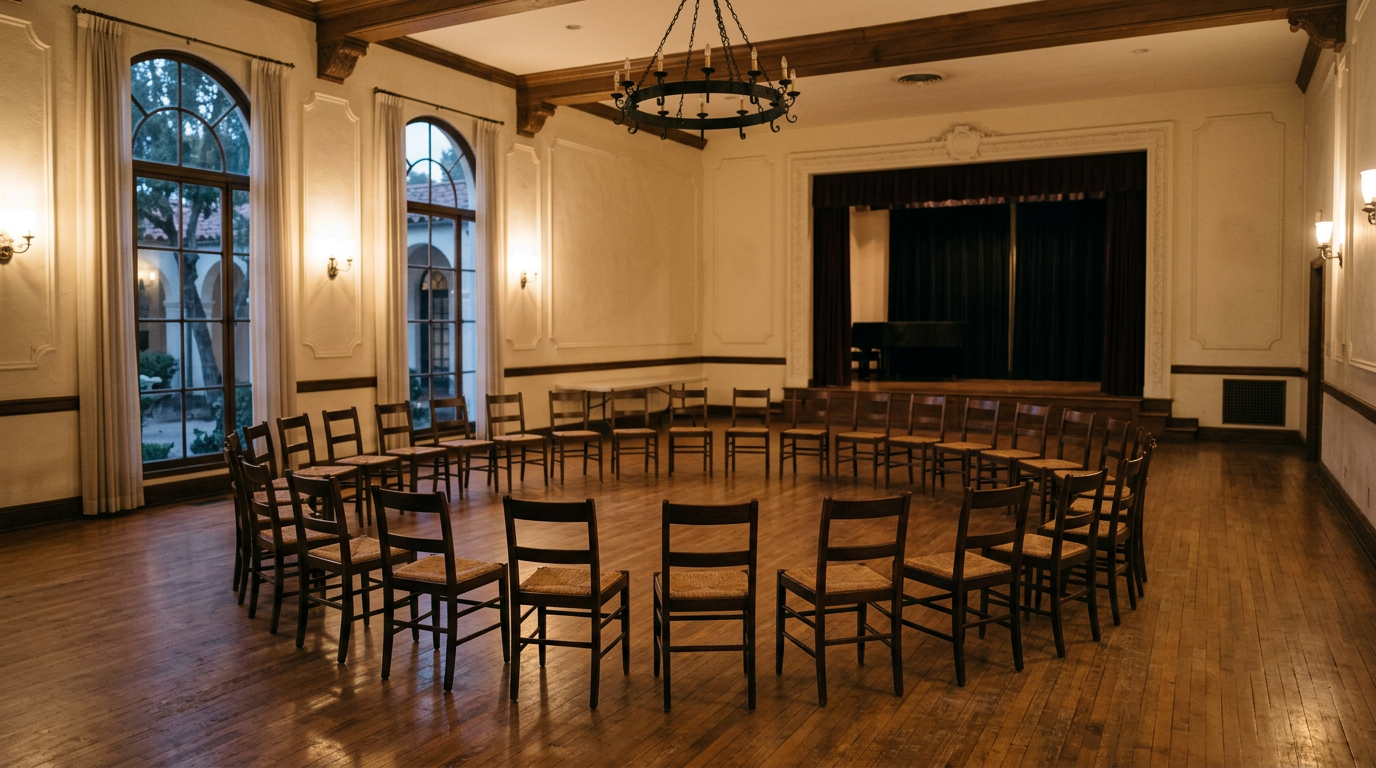
Being around others who understand — who are also living with loss — can ease the isolation in a way that individual conversations sometimes cannot. You do not have to explain yourself from scratch. You do not have to manage someone else’s discomfort with your grief. You are among people for whom the reality of loss is not unfamiliar.
Support groups, whether in person or online, are not just for people in crisis. They are for anyone who wants to feel less alone in what they are carrying. In New Zealand, grief support groups are offered through The Grief Centre, Skylight, hospices, and community organisations across the country.
The Grief Support NZ Facebook group is a free online community for people across Aotearoa. You are welcome to join, read, share, or simply know that others are there and that you are not alone in what you are carrying.
Support available in New Zealand
If grief feels too heavy to carry alone, these services can help:
- 1737 — free call or text, 24/7 — you do not need to be in crisis to call
- The Grief Centre — 0800 331 333 — bereavement counselling and peer support groups across NZ
- Skylight — 0800 299 100 — grief and trauma support for all ages
- Lifeline Aotearoa — 0800 543 354 — free, 24/7
- Samaritans NZ — 0800 726 666 — confidential listening, 24/7
- Mental Health Foundation NZ — resources on grief and wellbeing
- Find local grief support near you — regional directory across Aotearoa
Related guides
You Are Not Alone in Grief →When Grief Feels Overwhelming →When Grief Comes in Waves →Things I Wish People Understood About Grief →Browse all guides →Need support right now?
Free 24/7 support is available across New Zealand.
If this helped you, you’re welcome to share it with someone who may need it.
You can also join the Grief Support NZ Facebook group to connect with others across New Zealand.
Support this free resource
Grief Support NZ is free for anyone who needs it. If you’d like to help cover website costs, resource updates, and future tools, you can make a small voluntary contribution. There is no pressure at all.
Support Grief Support NZThis article is intended as general support and information only. It is not a replacement for professional advice, counselling, or urgent help. If you feel unsafe, overwhelmed, or at risk, please contact emergency services or a crisis support service immediately.